Broad Market Index Funds and ETFs are among the most popular investment vehicles for individuals seeking long-term growth, diversification, and simplicity in their portfolios. By tracking entire markets rather than individual stocks, these funds provide investors with exposure to a wide range of companies, industries, and sectors, all in a single investment.
What Are Broad Market Index Funds and ETFs?
Broad Market Index Funds are mutual funds designed to replicate the performance of a specific market index, such as the S&P 500 or the Total Stock Market Index. Similarly, Exchange-Traded Funds (ETFs) are traded on stock exchanges and aim to mirror the same indices.
The key advantage of these funds is that they allow investors to own a slice of the entire market without the need to pick individual stocks. This approach reduces risk, lowers costs, and simplifies portfolio management.
Benefits of Broad Market Index Funds and ETFs
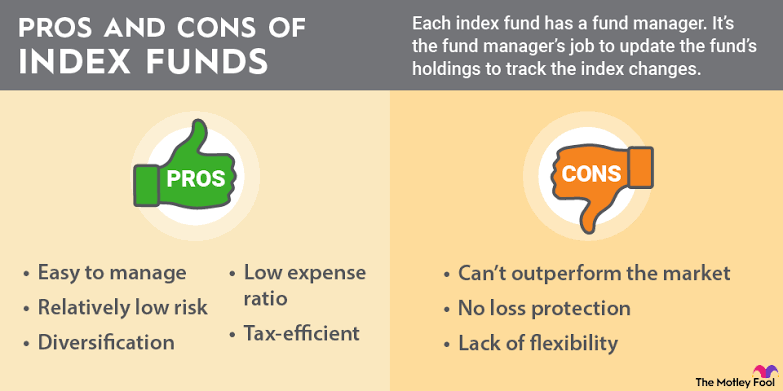
- Diversification: Investors gain exposure to hundreds or even thousands of companies across industries.
- Low Costs: Since these funds are passively managed, expense ratios are significantly lower than actively managed funds.
- Simplicity: No need to research individual stocks; investors simply buy into the market as a whole.
- Performance: Historically, broad market funds have matched or outperformed most actively managed funds over long periods.
Popular Examples of Broad Market Index Funds and ETFs
| Fund/ETF | Index Tracked | Key Feature |
|---|---|---|
| Vanguard Total Stock Market ETF | CRSP US Total Market Index | Covers nearly all U.S. stocks |
| SPDR S&P 500 ETF Trust (SPY) | S&P 500 Index | Tracks 500 largest U.S. companies |
| Schwab U.S. Broad Market ETF | Dow Jones U.S. Broad Stock Market Index | Low-cost option |
| iShares Core S&P Total U.S. Stock Market ETF | S&P Total Market Index | Wide diversification |
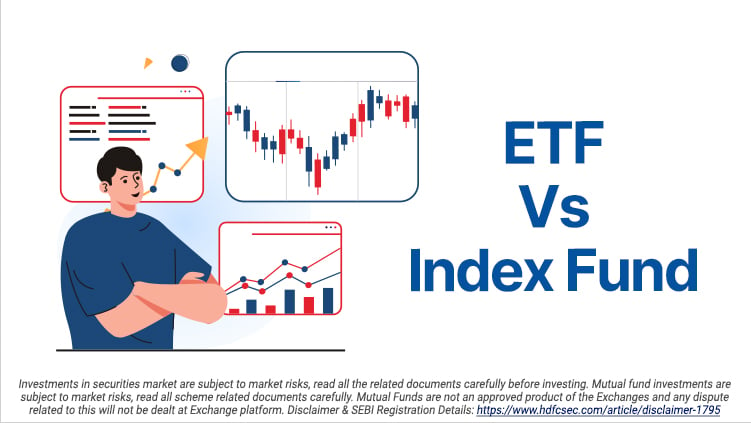
Broad Market Index Funds vs ETFs
- Liquidity: ETFs trade throughout the day like stocks, while index funds are priced once daily.
- Costs: ETFs often have lower expense ratios, but may involve brokerage fees.
- Flexibility: ETFs allow intraday trading, stop-loss orders, and margin trading.
- Accessibility: Index funds are easier for beginners who prefer automatic investments.
Who Should Invest in Broad Market Index Funds and ETFs?
- Long-term investors: Those seeking steady growth over decades.
- Beginner investors: Simple, low-cost entry into investing.
- Retirement planners: Ideal for tax-advantaged accounts like IRAs and 401(k)s.
- Cost-conscious investors: Benefit from low fees and minimal management.
Risks to Consider
- Market volatility: These funds mirror the market, so downturns affect them directly.
- No outperformance: They are designed to match the market, not beat it.
- Global exposure: Some funds may lack international diversification.
Conclusion: Summary
Broad Market Index Funds and ETFs are powerful tools for building wealth steadily and securely. They offer diversification, simplicity, and cost efficiency, making them suitable for both beginners and seasoned investors. While they carry risks tied to overall market performance, their long-term track record shows that they are one of the most reliable ways to grow wealth over time.