The Cryptocurrency and Digital Assets in USA have rapidly transformed from niche financial experiments into mainstream investment vehicles, reshaping the way individuals, institutions, and regulators view money and value exchange. Over the past decade, the U.S. has become a hub for blockchain innovation, crypto trading, and digital asset adoption, while also facing challenges in regulation, taxation, and security.

What Are Cryptocurrency and Digital Assets in USA?
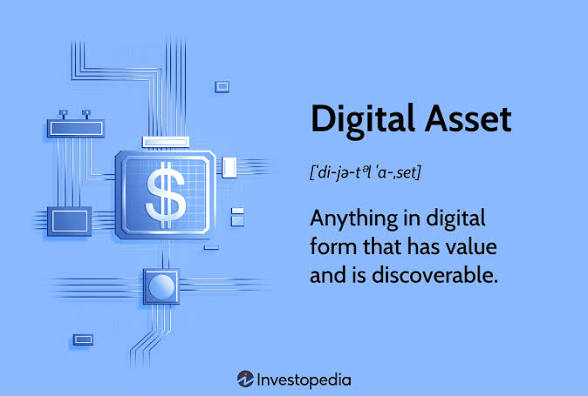
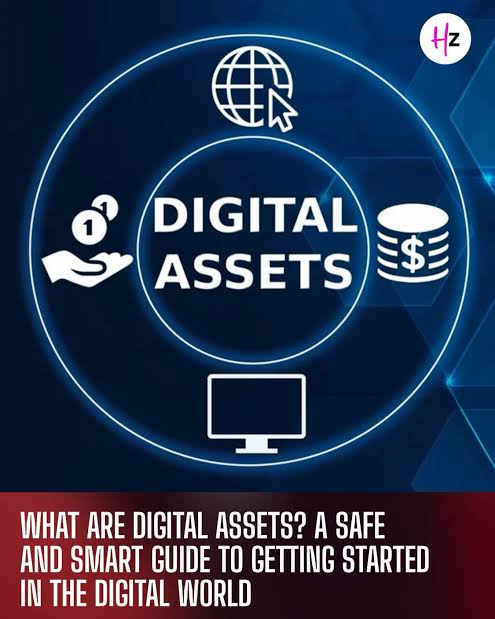
Cryptocurrency refers to decentralized digital currencies like Bitcoin, Ethereum, and stablecoins, which operate on blockchain technology. Digital assets extend beyond cryptocurrencies to include NFTs (non-fungible tokens), tokenized securities, and other blockchain-based instruments. In the USA, these assets are increasingly integrated into financial markets, investment portfolios, and even government discussions about monetary policy.
Growth of Cryptocurrency and Digital Assets in USA
- Bitcoin adoption: The U.S. remains one of the largest markets for Bitcoin, with millions of retail investors and institutional players.
- Ethereum ecosystem: Ethereum’s smart contracts power decentralized finance (DeFi) and NFTs, both of which have strong U.S. participation.
- Stablecoins: USD-backed stablecoins like USDC and Tether are widely used for trading and payments.
- NFT boom: Digital art, collectibles, and gaming assets have exploded in popularity, with U.S. creators leading the charge.
Regulation of Cryptocurrency and Digital Assets in USA
The regulatory landscape is complex and evolving:
- SEC oversight: The Securities and Exchange Commission classifies certain tokens as securities, impacting how they are traded.
- CFTC involvement: The Commodity Futures Trading Commission oversees derivatives and futures markets for digital assets.
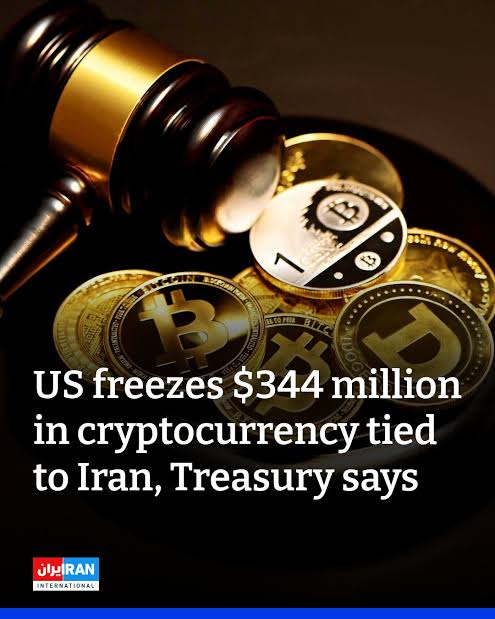
- IRS taxation: Cryptocurrencies are treated as property, meaning capital gains tax applies to transactions.
- State-level laws: States like New York enforce strict licensing (BitLicense), while others encourage innovation.
Institutional Adoption
- Banks and fintech: Major banks and fintech firms now offer crypto custody, trading, and investment products.
- Wall Street: Hedge funds and asset managers increasingly allocate to Bitcoin ETFs and other crypto products.
- Corporate treasuries: Companies like Tesla and MicroStrategy have invested billions in Bitcoin.

Risks and Challenges
- Volatility: Prices can swing dramatically, posing risks for investors.
- Security threats: Hacks, scams, and phishing attacks remain common.
- Regulatory uncertainty: Ongoing debates about classification and oversight create confusion.
- Environmental concerns: Bitcoin mining’s energy consumption has sparked criticism.
Future of Cryptocurrency and Digital Assets in USA
The future looks promising yet uncertain:
- Central Bank Digital Currency (CBDC): The Federal Reserve is exploring a digital dollar.
- Mainstream payments: More retailers and online platforms are accepting crypto.
- Tokenization of assets: Real estate, stocks, and bonds may soon be traded as digital tokens.
- Integration with AI: AI-driven trading and blockchain analytics are reshaping the industry.
Conclusion: Summary
The Cryptocurrency and Digital Assets in USA represent a dynamic and evolving sector that blends innovation with risk. While adoption continues to grow among individuals, institutions, and corporations, regulatory clarity and technological advancements will determine the pace of mainstream integration. From Bitcoin and Ethereum to NFTs and stablecoins, digital assets are no longer fringe experiments—they are becoming central to the future of finance in the United States.