Retirement Accounts (Tax-Advantaged Investing) are one of the most powerful tools individuals can use to secure their financial future. By leveraging tax benefits, these accounts allow savers to grow their wealth more efficiently, ensuring that they have sufficient funds to support themselves during retirement. Understanding how these accounts work, the types available, and their long-term impact is essential for anyone planning a financially stable retirement.

What Are Retirement Accounts (Tax-Advantaged Investing)?
Retirement accounts are specialized savings vehicles designed to encourage long-term investing by offering tax benefits. These accounts can either defer taxes until withdrawal or eliminate taxes on growth altogether, depending on the type. The goal is to maximize retirement savings while minimizing tax burdens.
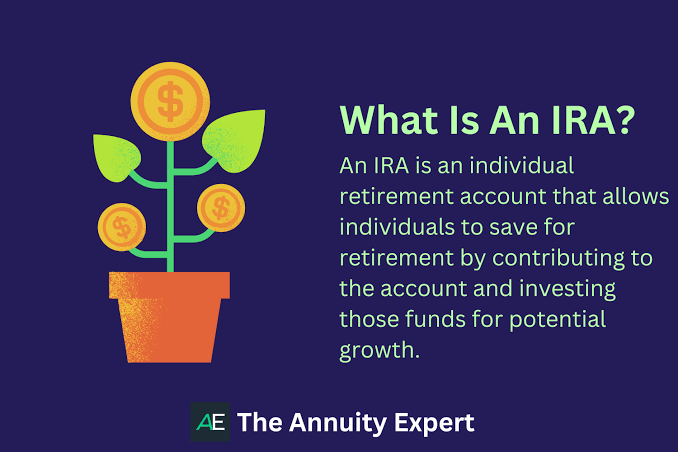
Types of Retirement Accounts
- Traditional IRA
Contributions are tax-deductible, and investments grow tax-deferred. Taxes are paid upon withdrawal in retirement. - Roth IRA
Contributions are made with after-tax dollars, but withdrawals in retirement are tax-free. - 401(k)
Employer-sponsored plans that allow pre-tax contributions. Many employers also offer matching contributions, making them highly beneficial. - 403(b)
Similar to 401(k) but designed for employees of non-profits, schools, and certain government organizations. - SEP IRA
Tailored for self-employed individuals and small business owners, offering higher contribution limits.
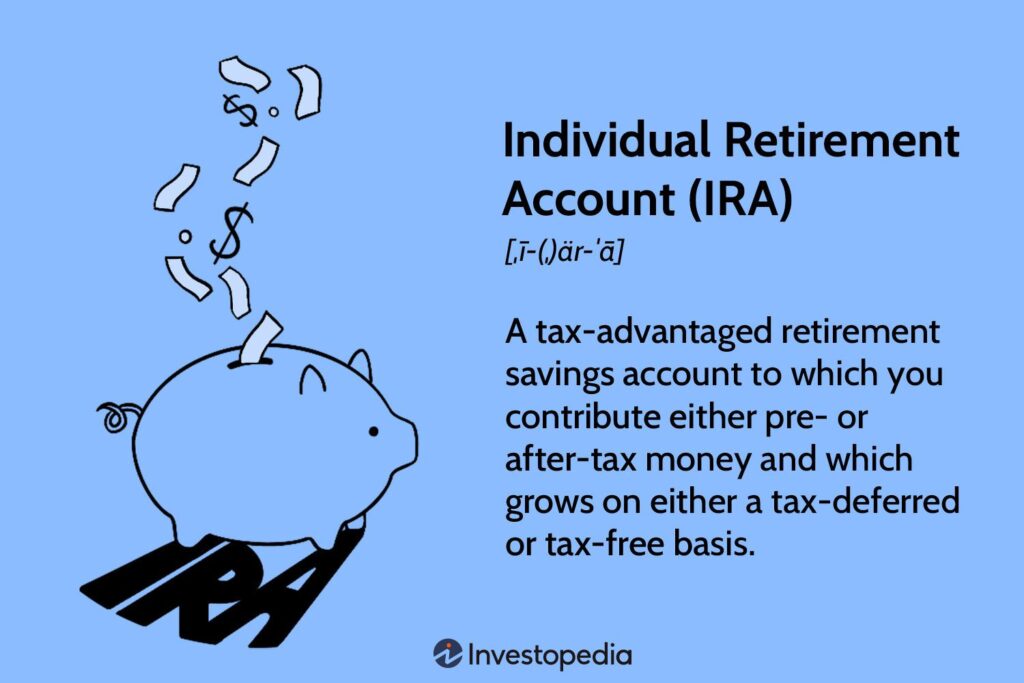
Benefits of Retirement Accounts (Tax-Advantaged Investing)
- Tax Deferral: Investments grow without immediate tax liability, allowing compounding to work more effectively.
- Tax-Free Withdrawals: Roth accounts provide tax-free income in retirement.
- Employer Contributions: Many plans include employer matching, essentially free money for employees.
- Compounding Growth: Long-term investments benefit from exponential growth when taxes don’t erode returns.

Retirement Accounts vs. Regular Investing
| Retirement Accounts | Regular Investing |
|---|---|
| Tax-advantaged growth | Taxable growth |
| Withdrawal restrictions | Flexible withdrawals |
| Contribution limits | No contribution limits |
| Penalties for early withdrawal | No penalties |
Contribution Limits and Rules
- Annual Limits: Each account type has specific contribution limits set by law.
- Age Rules: Some accounts allow catch-up contributions for individuals over 50.
- Withdrawal Rules: Early withdrawals often incur penalties, except in certain cases like medical expenses or first-time home purchases.

Why Retirement Accounts Matter
Retirement accounts are not just about saving money; they are about building financial independence. By strategically using tax-advantaged investing, individuals can reduce their lifetime tax burden, maximize growth, and ensure a steady income stream during retirement.

Conclusion: Summary
Retirement Accounts (Tax-Advantaged Investing) are essential for anyone serious about long-term financial planning. They provide tax benefits, encourage disciplined saving, and harness the power of compounding to build wealth over time. Whether through a 401(k), IRA, or Roth account, these vehicles are the cornerstone of retirement security. By understanding their rules and maximizing contributions, individuals can create a strong financial foundation for their future.